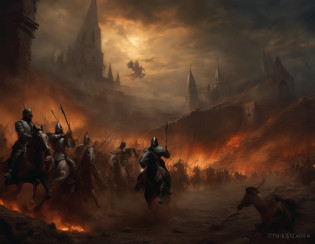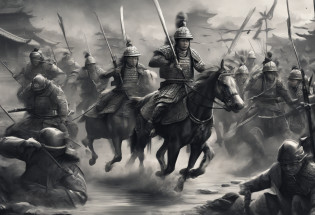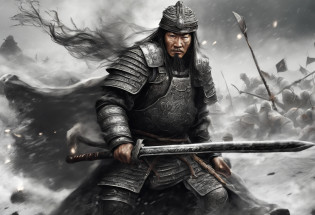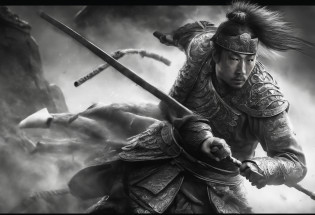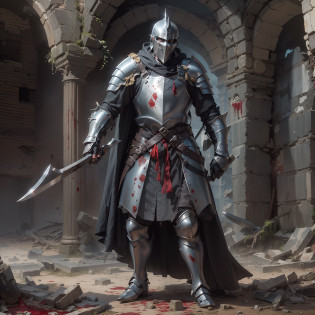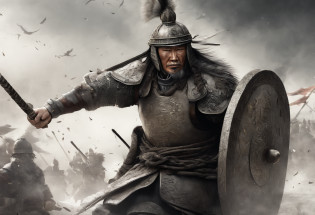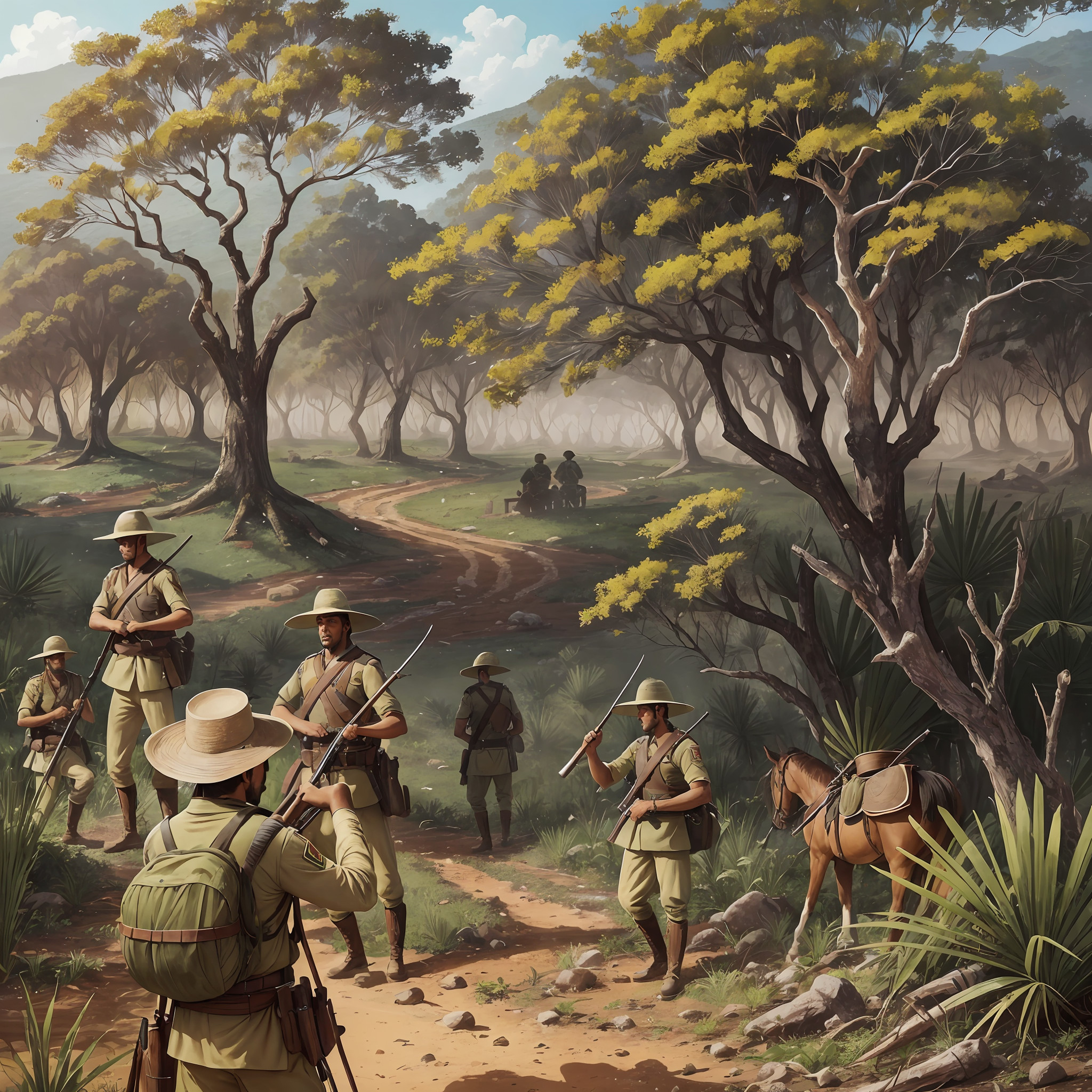



The image depicts the scene of the battle of Jenipapo, in Campo Maior, Piau�, in which Portuguese soldiers and residents of the time meet in an intense confrontation. The environment is permeated by a diverse vegetation, representing the transition between different biomes. A portion of the Piau� territory is covered by the Mata dos Cocais, an ecosystem that lies between the Caatinga, the Amazon Rainforest and the Cerrado. This region is dominated by characteristic trees, such as babassu and carnauba, which stand out amid the landscape of the battle. Babassu is known for its economic importance, providing oil, fiber and food to local communities. Carnauba is valued for its wax, used in various products. In addition to the presence of the Cocais Forest, the Cerrado is also present in the southwest of Piau� and in parts of the north of the state. This plant formation, marked by low trees, shrubs and grasses, contributes to the scene of the battle. The typical characteristics of the Cerrado, such as drought resistance and the diversity of species adapted to this environment, are depicted in the image. As for the Portuguese soldiers and the residents who participated in the battle, men are represented in the age group of 30 to 40 years, with curly hair and brown skin, common characteristics of the mixed population of the region. They wear cangaceiros clothes, bringing to the scene an authentic and historical image. In addition to firearms, such as rifles and shotguns, they also wield improvised weapons such as sickles, hoes and knives, demonstrating their determination and ability to use everyday instruments as defense. With this additional information about the vegetation of the region, including the presence of the Cocais Forest and the Cerrado, as well as the description of the Portuguese soldiers and residents of the time, the image gains an even richer and more detailed atmosphere, highlighting the natural and human diversity present in the battle of Jenipapo.